
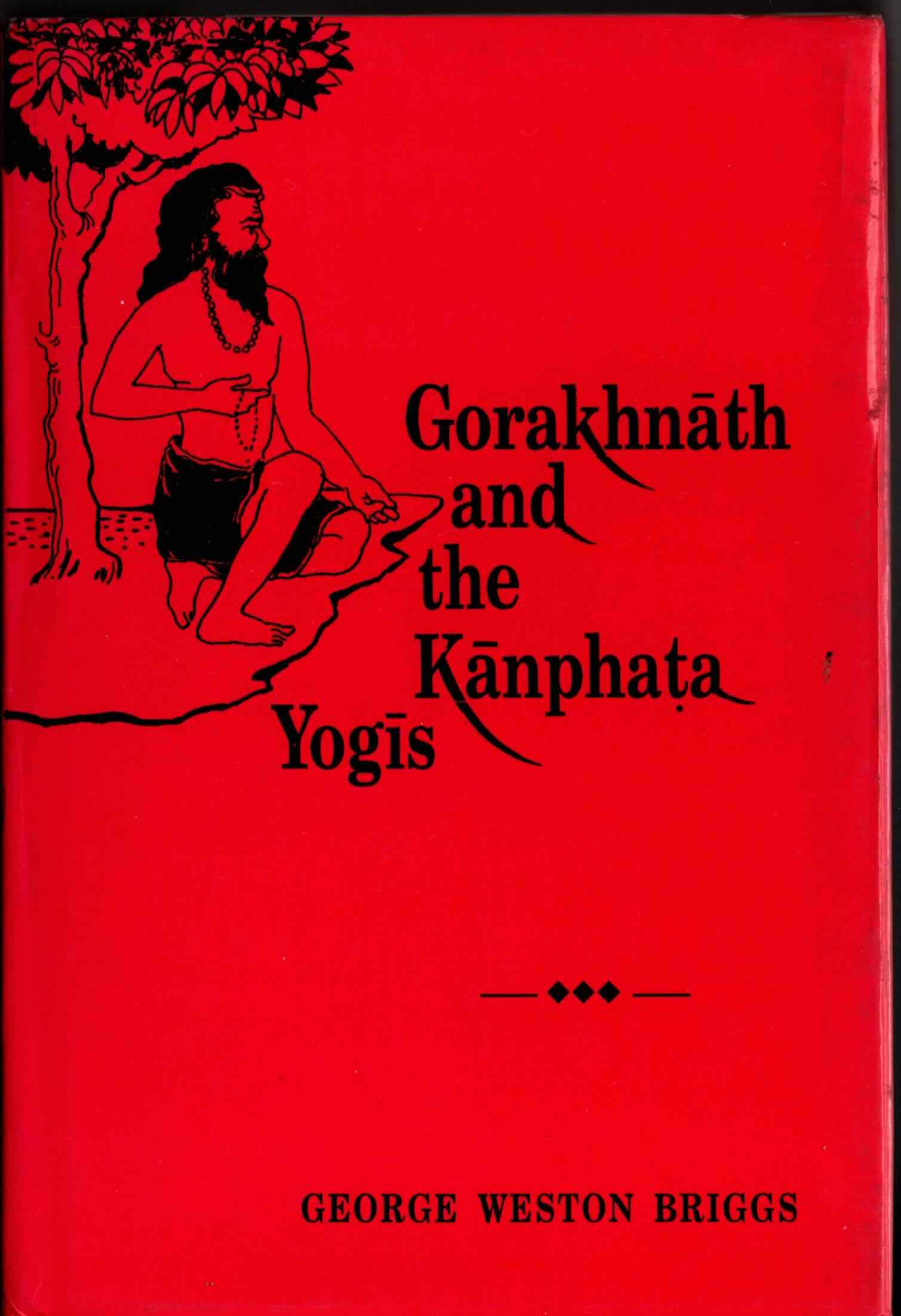
Gorakhnath and the Kanphata Yogis
Author: George Weston Briggs
About the Book
Gorakhnath and the Kanphata Yogis is regarded as one of the most comprehensive and authoritative English-language studies on the Nath Sampradaya, a spiritual tradition that has profoundly influenced the development of Indian Yoga, Tantra, asceticism, and medieval religious thought. Written by renowned scholar George Weston Briggs, this classic work remains an indispensable reference for historians, Indologists, students of religion, yoga practitioners, and seekers interested in India’s mystical heritage.
Originally published in 1938 after years of field research across North India, Briggs combines meticulous scholarship with firsthand observations of Nath monasteries, yogis, and sacred centres. Rather than presenting merely a historical account, the book offers a multidimensional exploration of the Nath order—its origins, philosophy, practices, social structure, literature, rituals, symbols, and continuing influence on Indian culture.
At the heart of the Nath tradition stands Guru Gorakhnath, one of India’s most revered yogic masters. While separating historical evidence from legend wherever possible, Briggs carefully documents the many traditions surrounding Gorakhnath’s life, teachings, miracles, and disciples. The work examines how Gorakhnath shaped the Nath movement into one of India’s most organized ascetic traditions and how his teachings influenced generations of yogis across the Indian subcontinent.
A significant portion of the book is devoted to the Kanphata Yogis, literally “split-ear yogis,” named after the distinctive initiation ceremony in which the cartilage of the ears is pierced to accommodate large yogic earrings (mudras). Briggs explains the symbolism behind this practice, its spiritual significance, and the various stages of initiation within the Nath order. He also describes the daily life of Nath ascetics, their monasteries (mathas), initiation rituals, methods of spiritual discipline, vows, symbols, festivals, pilgrimage centres, and relationships with society.
Beyond historical narrative, the book provides valuable insight into the Nath philosophy, exploring concepts such as renunciation, the Guru-disciple tradition, yogic discipline, liberation, meditation, Hatha Yoga, and the relationship between the body and spiritual realization. Readers gain an understanding of how Nath teachings integrate elements of Shaivism, Yoga, Tantra, Siddha traditions, and folk spirituality into a unique philosophical system.
Briggs also investigates the historical evolution of the Nath Sampradaya, tracing its connections with earlier Siddha traditions, Buddhism, Shaivism, and medieval devotional movements. He discusses the spread of the sect throughout India and neighbouring regions, documenting the important monasteries, pilgrimage sites, regional branches, and lineages that helped preserve the tradition over centuries.
One of the book’s greatest strengths is its extensive use of primary sources. Briggs references Sanskrit texts, vernacular literature, inscriptions, oral traditions, and interviews with practising Nath Yogis, making the work both academically rigorous and culturally rich. The volume concludes with an English translation and commentary on the Gorakṣaśataka, one of the foundational texts of Nath Yoga, providing readers direct access to an important yogic scripture.
Although written from the perspective of an early twentieth-century scholar, Gorakhnath and the Kanphata Yogis continues to be widely respected for the breadth of its research and documentation. It remains one of the foundational works consulted by researchers studying Indian ascetic traditions, medieval religious history, yoga philosophy, and the Nath Sampradaya.
Whether you are researching the origins of Hatha Yoga, exploring the life of Guru Gorakhnath, studying Indian religious history, or seeking a deeper understanding of one of India’s oldest living yogic traditions, this classic volume offers an unparalleled wealth of historical, philosophical, and cultural knowledge.
Key Features
- Landmark scholarly study of the Nath Sampradaya.
- Comprehensive biography and historical study of Guru Gorakhnath.
- Detailed examination of the Kanphata Yogis and their initiation traditions.
- Explores Nath philosophy, Hatha Yoga, Tantra, Shaivism, and Siddha traditions.
- Covers monasteries, rituals, symbols, festivals, pilgrimage centres, and organizational structure.
- Based on extensive fieldwork and primary historical sources.
- Includes translation and commentary on the Gorakṣaśataka.
- Essential reference for students of Indian religion, yoga, philosophy, history, anthropology, and spirituality.
Perfect For
- Students and researchers of Indian religions
- Scholars of Yoga, Tantra, and medieval India
- Practitioners of Hatha Yoga and Nath Yoga
- Readers interested in Hindu monastic traditions
- Indology and South Asian Studies enthusiasts
- Spiritual seekers exploring India’s yogic heritage
- Academic and institutional libraries
A timeless classic that opens a rare window into the history, philosophy, and living traditions of the Nath Yogis, Gorakhnath and the Kanphata Yogis remains one of the most important works ever written on one of India’s most influential spiritual lineages.








Reviews
There are no reviews yet.